Ready to reclaim your pre-pregnancy body? Dive into this detailed guide on flattening your postpartum belly. We explore lifestyle adjustments, advanced cosmetic procedures like tummy tucks and mommy makeovers, and how to effectively address stretched skin, muscle separation, and stubborn fat.
For many women, the incredible journey of pregnancy and childbirth leaves behind lasting changes, and one of the most common concerns is a persistent, saggy postpartum belly. Despite healthy eating and exercise, that “baby bump” might linger, affecting your confidence and comfort. If you’re wondering how to reclaim your pre-pregnancy figure and a flatter, firmer stomach, you’re not alone.
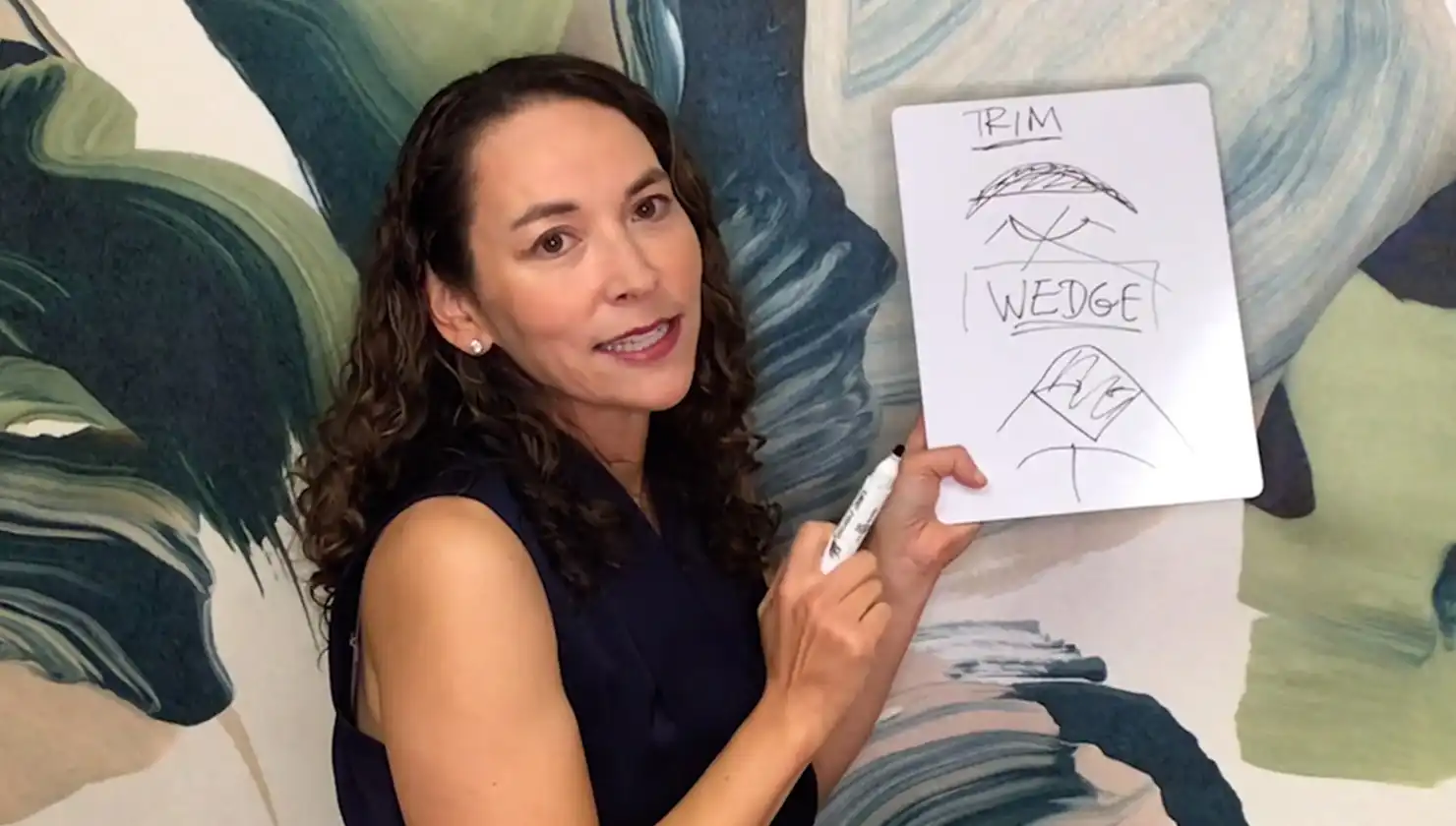
As a plastic surgeon in Denver, CO, I understand these changes intimately. This guide will provide a comprehensive look at why your postpartum belly might persist and offer a range of strategies, from lifestyle adjustments to advanced cosmetic procedures, to help you achieve the results you desire.
Why Do I Still Look Pregnant After Having a Baby?
The abdominal changes during pregnancy are profound. Your muscles stretch, your skin expands, and your body adapts to accommodate your growing baby. While your uterus begins to contract back to its pre-pregnancy size soon after birth, the skin and muscles of your stomach may not fully return to their original state. Several factors contribute to this:
Diastasis Recti (Abdominal Muscle Separation): This is perhaps the most significant culprit. The rectus abdominis muscles (your “six-pack” muscles) are connected by a band of connective tissue called the linea alba. During pregnancy, the pressure from the growing uterus can stretch and thin this tissue, causing the muscles to separate. This separation often results in a visible “pooch” or bulge that traditional crunches cannot fix, and it can also contribute to lower back pain and core weakness.
Stretched Skin: The remarkable elasticity of your skin allows it to stretch during pregnancy. However, for many, it doesn’t fully retract afterward, leading to loose, saggy skin that hangs or wrinkles, especially around the belly button.
Lingering Fat Deposits: While you lose baby weight, stubborn pockets of fat can remain in the abdominal area, resisting even dedicated diet and exercise efforts.
Hormonal Shifts: Postpartum hormonal changes also play a role in how your body stores fat and recovers.
Holistic Strategies: Lifestyle Adjustments
Before considering surgical options, a holistic approach focusing on diet and exercise is fundamental for postpartum recovery and can significantly impact your abdominal contour.
1. Balanced & Nutrient-Rich Diet
What you eat is crucial for recovery and fat loss. Focus on:
Whole Foods: Prioritize lean proteins (chicken, fish, legumes), abundant fruits and vegetables, and whole grains (oats, quinoa, brown rice). These provide essential nutrients for healing and sustained energy.
Healthy Fats: Include avocados, nuts, seeds, and olive oil to support hormone balance and satiety.
Hydration: Drink plenty of water throughout the day. Proper hydration aids metabolism, skin elasticity, and overall well-being.
Limit Processed Foods: Reduce intake of sugary snacks, highly processed foods, excessive sodium, and unhealthy fats, which can contribute to inflammation and stubborn fat.
Portion Control: Be mindful of portion sizes to support healthy weight management.
2. Targeted Exercise (Once Cleared by Your Doctor)
Always get clearance from your obstetrician or healthcare provider before resuming any exercise post-birth, typically around 6 weeks for vaginal deliveries and longer for C-sections. Once cleared, focus on:
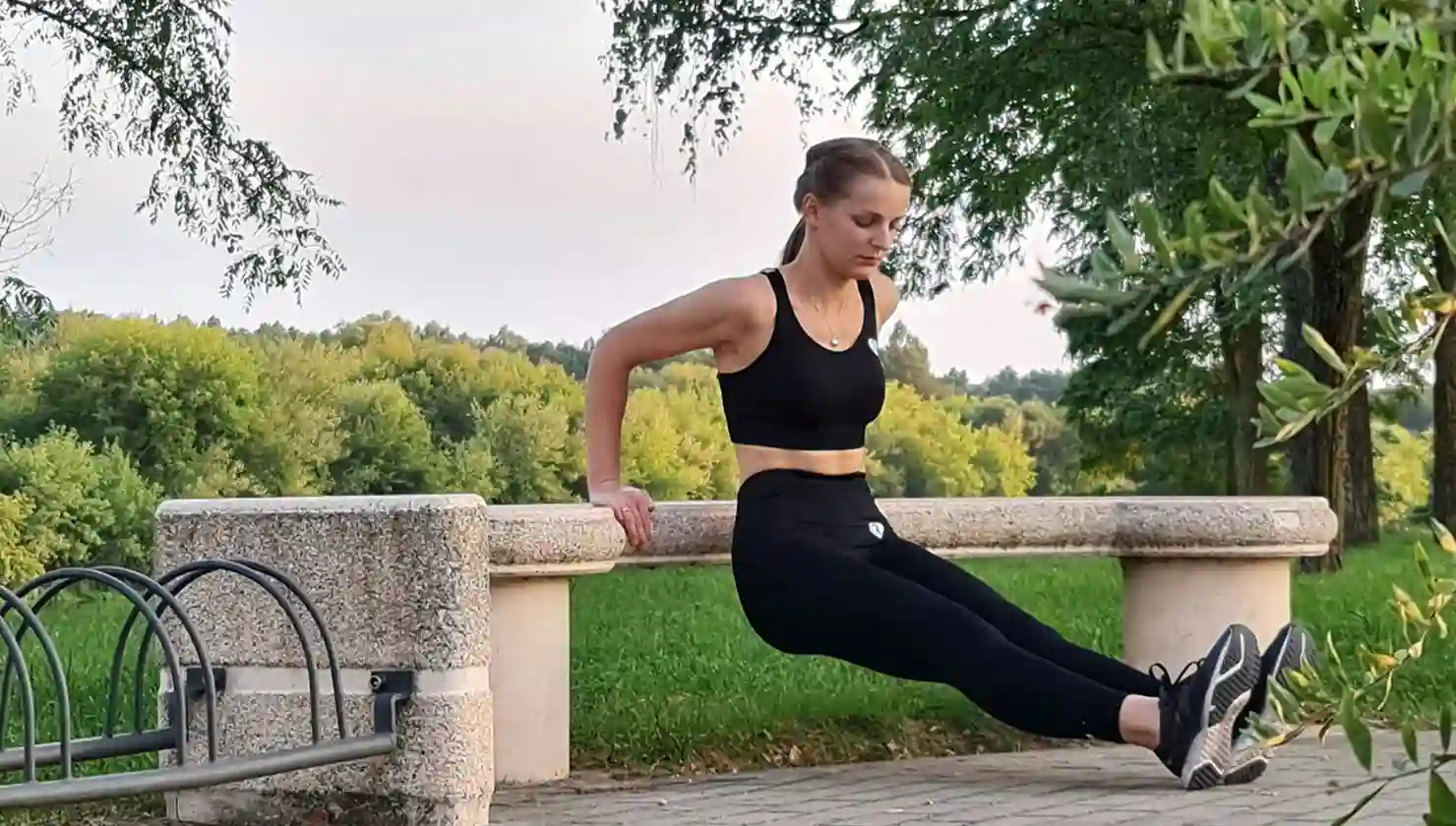
Core-Targeting Exercises: Emphasize exercises that gently engage your deep core muscles and pelvic floor, which are essential for repairing and strengthening the postpartum abdomen. Examples include:
Pelvic Tilts: Lying on your back, gently flatten your lower back to the floor, engaging your core.
Modified Planks: Start on your knees or with elevated hands to build strength gradually.
Transversus Abdominis Activation: Focus on drawing your belly button towards your spine without holding your breath.
Avoid Harmful Exercises (if Diastasis Recti is suspected): Traditional crunches, sit-ups, and intense planks can actually worsen diastasis recti by putting outward pressure on the separated muscles. Consult a pelvic floor physical therapist for personalized guidance, especially if you suspect muscle separation.
Overall Fat Loss: Incorporate regular cardiovascular exercise (walking, swimming) and strength training to burn calories and build muscle, which boosts metabolism.
3. Prioritize Rest & Stress Management
Lack of sleep and high stress levels can impact your hormones, making it harder to lose weight, particularly around the belly. Prioritize rest whenever possible and find healthy ways to manage stress.
When Lifestyle Changes Aren't Enough: Cosmetic Solutions
For many women, even with a diligent diet and exercise routine, a flatter abdomen remains elusive due to stretched skin or severe muscle separation. In these cases, cosmetic surgical procedures offer transformative and long-lasting results.
1. Tummy Tuck (Abdominoplasty)
A tummy tuck is the most effective surgical solution for a postpartum belly, particularly when dealing with:
Diastasis Recti: During an abdominoplasty, the separated abdominal muscles are surgically repaired and tightened (a process called plication) by suturing them back together, restoring a strong, flat abdominal wall.
Excess Skin: Loose, hanging skin, often marked by stretch marks below the belly button, is precisely removed, and the remaining skin is tightened for a smoother contour.
Stubborn Fat: Localized fat pockets in the midsection are also removed, further sculpting the abdomen.
This procedure not only provides a dramatically flatter and firmer abdomen but also helps restore core stability, which can alleviate lower back pain and improve posture.
2. Liposuction
While a tummy tuck addresses skin and muscle, liposuction focuses on stubborn fat pockets. If your primary concern is localized fat that resists diet and exercise, and you have good skin elasticity without significant muscle separation, liposuction alone might be an option. It can also be combined with a tummy tuck for more comprehensive contouring.
3. Mommy Makeover
For a holistic transformation that addresses multiple post-pregnancy changes, a Mommy Makeover is a highly customized combination of procedures. It typically includes:
Tummy Tuck: To flatten the abdomen and repair diastasis recti.
Breast Augmentation, Lift, or Reduction: To address changes in breast volume, shape, or sagging after pregnancy and breastfeeding.
Liposuction: To remove excess fat from other areas like the flanks, thighs, or arms.
A Mommy Makeover is designed to restore your pre-pregnancy body (or even improve upon it), allowing for a single recovery period for multiple enhancements.
Is Surgical Intervention Right For You?
Surgical body contouring is generally recommended for women who:
Are in good overall health.
Have completed their families (as future pregnancies could compromise surgical results).
Are at a stable weight, ideally close to their pre-pregnancy weight.
Have realistic expectations about the outcomes.
Are significantly bothered by the physical or aesthetic impact of their postpartum belly.
Your Path to a Reclaimed Figure
Flattening your postpartum belly often involves a multi-faceted approach, combining consistent healthy lifestyle choices with, if necessary, the powerful capabilities of modern plastic surgery. These procedures are most effective and provide the longest-lasting results when integrated into a healthy lifestyle that includes a balanced diet and regular exercise.
If you’re ready to explore personalized options to achieve a flatter, firmer, and more confident core, we encourage you to schedule a consultation with our experienced plastic surgeon in Denver, CO, Dr. Joyce Aycock. Together, we can discuss your unique concerns and create a tailored treatment plan to help you reclaim your pre-pregnancy figure and confidence.